

x
Send Your Inquiry Today
Quick Quote

Welded Fin Tube Technical Specifications Dimensions Materials Applications

Welded Fin Tube Technical Specifications Dimensions Materials Applications

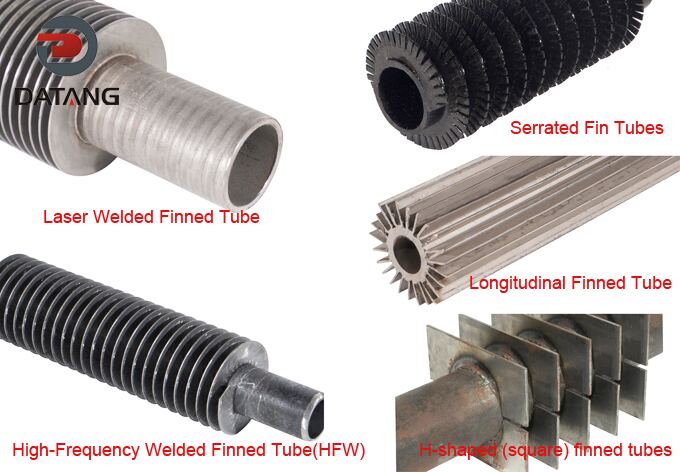
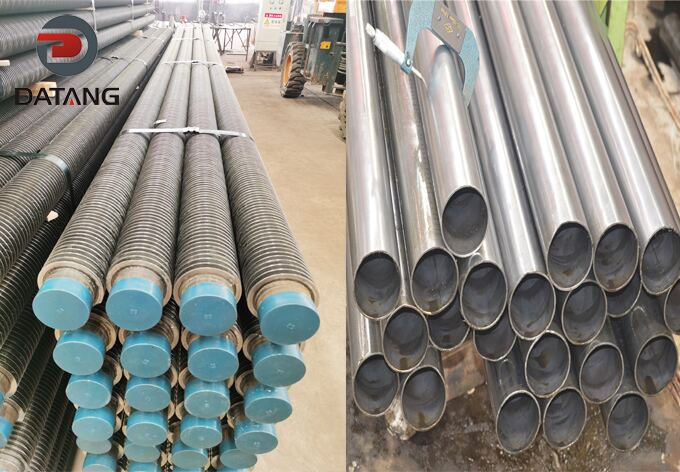
Technical Specifications: Welded Fin Tubes | Datang Finned Tube Welded fin tubes are engineered for high-temperature, high-pressure, and severe corrosive environments. By utilizing advanced automatic high-frequency resistance welding (HFW) and precision laser welding technologies, we ensure a 100% molecular bond between the fin and the base tube, maximizing thermal efficiency

Welded Fin Tube Technical Specifications Dimensions Materials Applications Keep Reading »

Why Extruded Finned Tubes Offer Superior Heat Transfer Efficiency

Why Extruded Finned Tubes Offer Superior Heat Transfer Efficiency

In the heat exchanger industry, Extruded Finned Tubes are highly regarded by professionals for their outstanding thermal performance. This performance is achieved through advanced manufacturing rather than a change in the material properties themselves. While a solid tube made entirely of pure copper or aluminum inherently possesses high material thermal

Why Extruded Finned Tubes Offer Superior Heat Transfer Efficiency Keep Reading »

The Ultimate Gilled Tube Selection Guide: Extruded, G-Type, L-Type, or Welded?

The Ultimate Gilled Tube Selection Guide: Extruded, G-Type, L-Type, or Welded?

Selecting the right finned tube is not just about maximizing heat transfer; it is about balancing thermal efficiency, mechanical integrity, and long-term reliability in your specific operating environment. With various manufacturing technologies and material combinations available, making an informed choice can significantly impact your equipment’s lifespan and operational costs. This

The Ultimate Gilled Tube Selection Guide: Extruded, G-Type, L-Type, or Welded? Keep Reading »

Heat Exchanger Tube Failure Causes & Prevention

Heat Exchanger Tube Failure Causes & Prevention

Industrial heat exchangers operate under demanding conditions, including extreme temperatures, high pressures, cyclic stresses, and aggressive chemical environments. Over time, these harsh realities can cause heat exchanger tubes to fail. A single tube leak can lead to fluid cross-contamination, unscheduled plant shutdowns, and massive financial losses. Understanding the common failure

Heat Exchanger Tube Failure Causes & Prevention Keep Reading »

Scroll to Top